
Brand Strategy & Positioning for Hospitality, F&B and Lifestyle Brands
Work out what the business is, before you spend money looking like something.
Most branding problems are not design problems. They're clarity problems.
A business that knows exactly who it's for, what it stands for and why it deserves to be chosen makes better decisions about everything that follows. Menus, pricing, staff, sites, expansion. A business that hasn't done that work ends up with a brand that looks fine and says nothing.
Brand strategy is the part that fixes that. It's also the part most people are tempted to skip, usually because it's the least visible thing they'll pay for.
What it's worth

Bread Ahead is one of London's most recognised bakery brands. I worked on the strategy and market positioning behind its international growth, defining what had to stay fixed in every market and what could flex. It has since franchised into the Middle East and opened its first US site in Times Square.
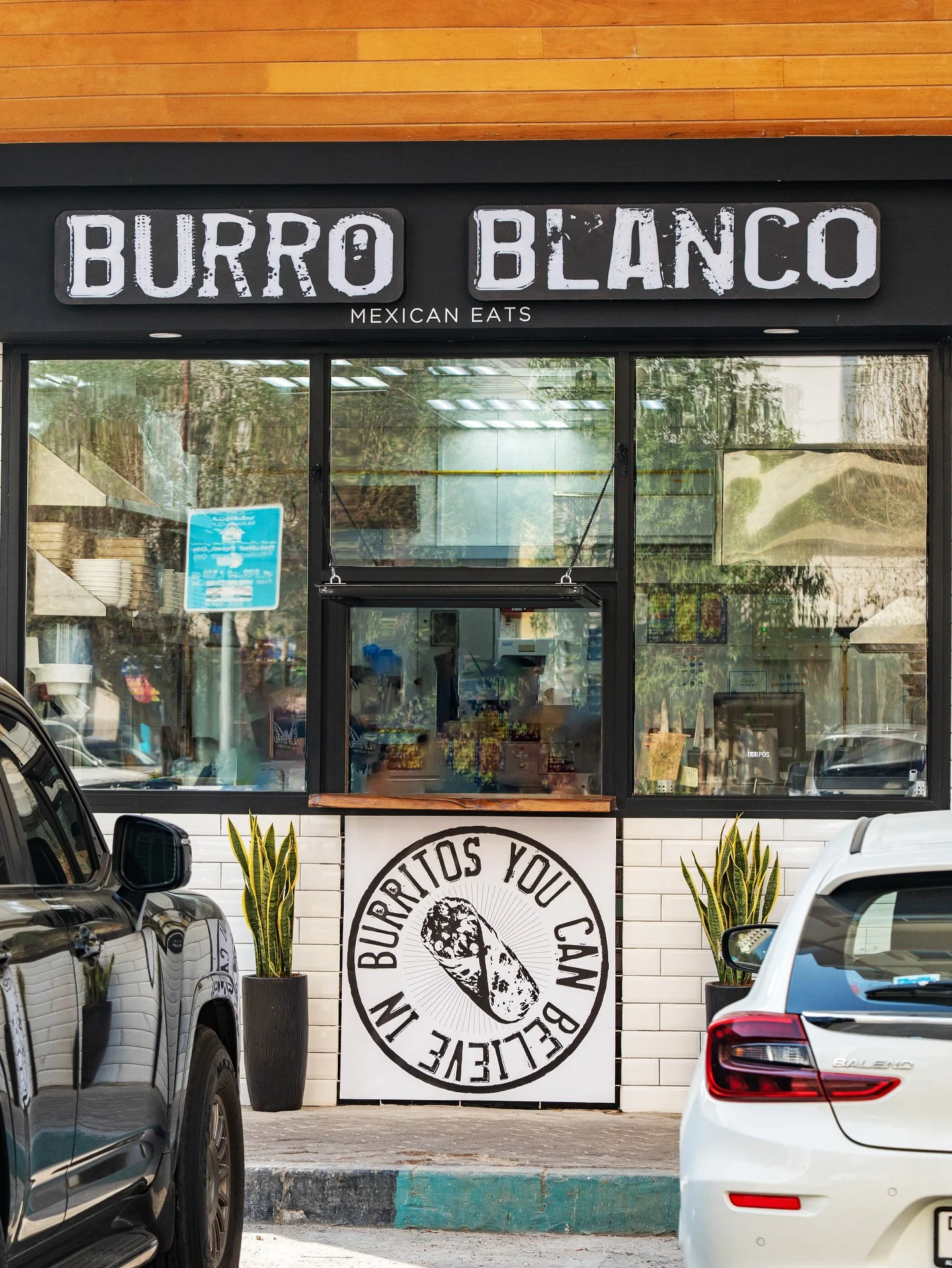
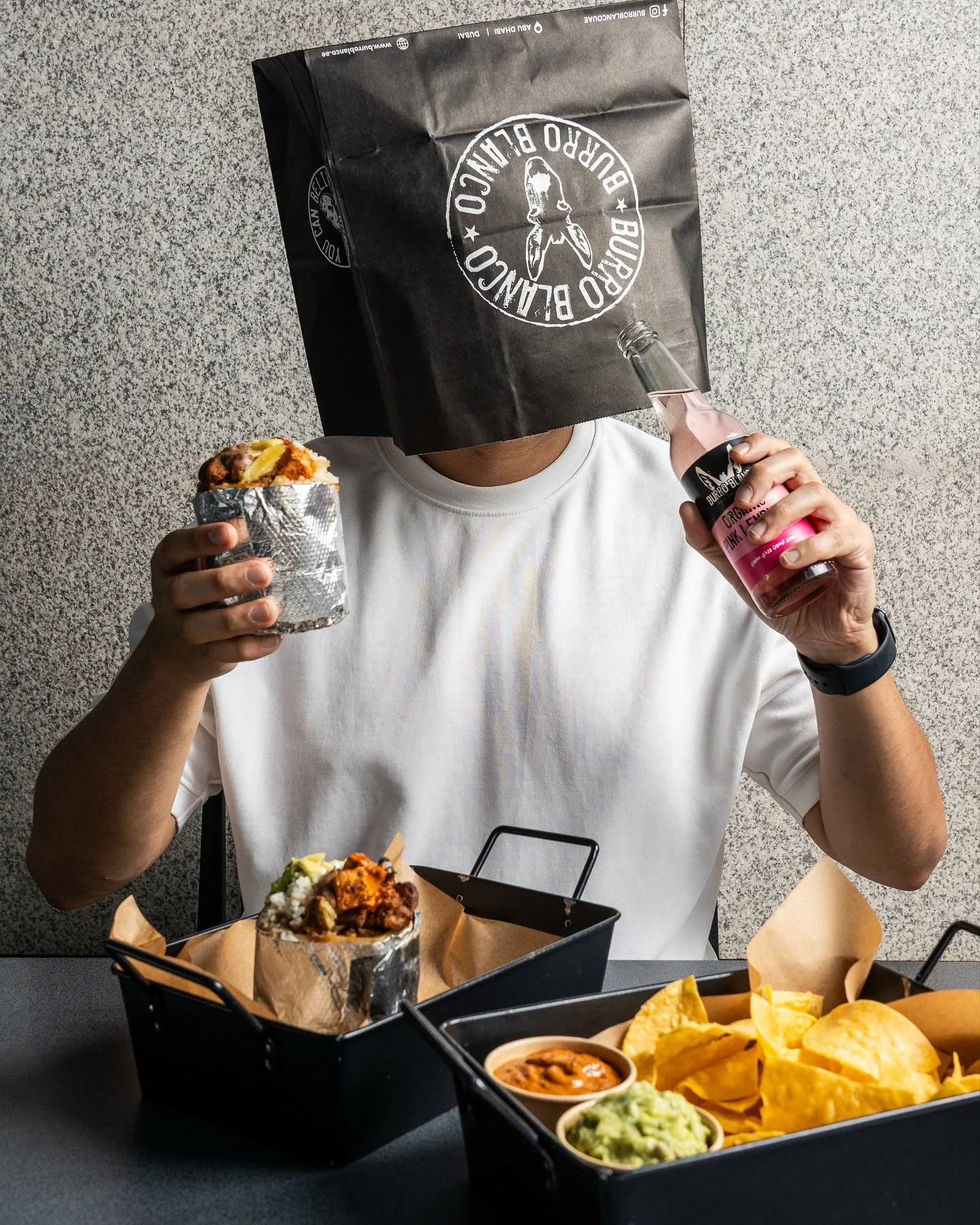
Burro Blanco came to me as a fast-growing QSR brand in the UAE that had outgrown the way it described itself. We repositioned it for franchise expansion across the GCC and built the brand so a partner in another market could apply it. Agreements have since been signed, with Egypt and Qatar to follow.
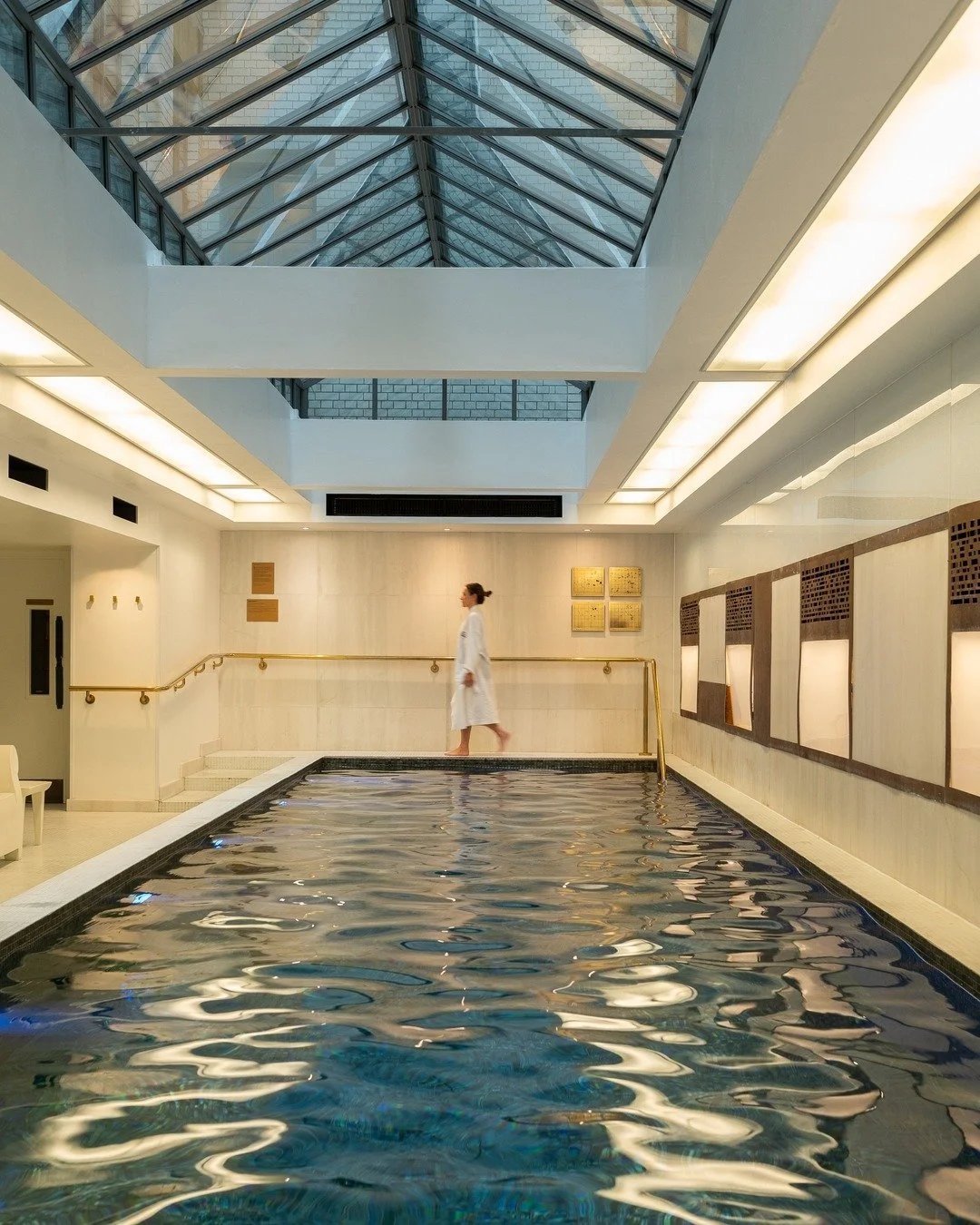
Town Hall Hotel is an East London landmark I've worked with for five years, repositioning it from a hotel with an interesting building into a cultural destination with a hotel in it. The work has run across identity, messaging and the guest experience since.
None of that came from a logo. It came from being clear enough about the business to put it in front of a franchise partner, a landlord or an investor without hesitating.
What’s involved
Understanding the business
We start with you, because nobody knows the business like the person running it.
That usually means a workshop, a few conversations and time spent in the space if there is one. I want to hear what you think you're selling, what customers actually come for, and where you want the business to be in five years.
Understanding the market
Where the decision warrants it, this goes wider.
Competitor and category analysis, market trends, audience work, and an honest read on where the genuine opportunity sits rather than where it feels like it should be. A single site opening and a business preparing to franchise need very different levels of rigour, and I'll tell you which before we start.
Defining the position
Then the work itself.
Where the business sits, who it's for, what it owns that competitors can't, and the reason a customer chooses it over the alternative. Positioning, value proposition, brand promise and the strategic pillars that hold it up. This is the part everything else is eventually built from.
Making it usable
A strategy nobody can apply is an expensive document.
So it comes with brand personality, tone of voice, a messaging framework and clear principles for the customer experience. Written so your team can use it to make decisions when you're not in the room, and so it still works when someone new joins.
Testimonial
"Marc defined our brand's positioning in a way that stayed true to our roots but ready for growth. His insight and storytelling brought clarity to our messaging and identity, putting us in a stronger position as we expand across the GCC."
Saied El Hakim, Founder, Burro Blanco

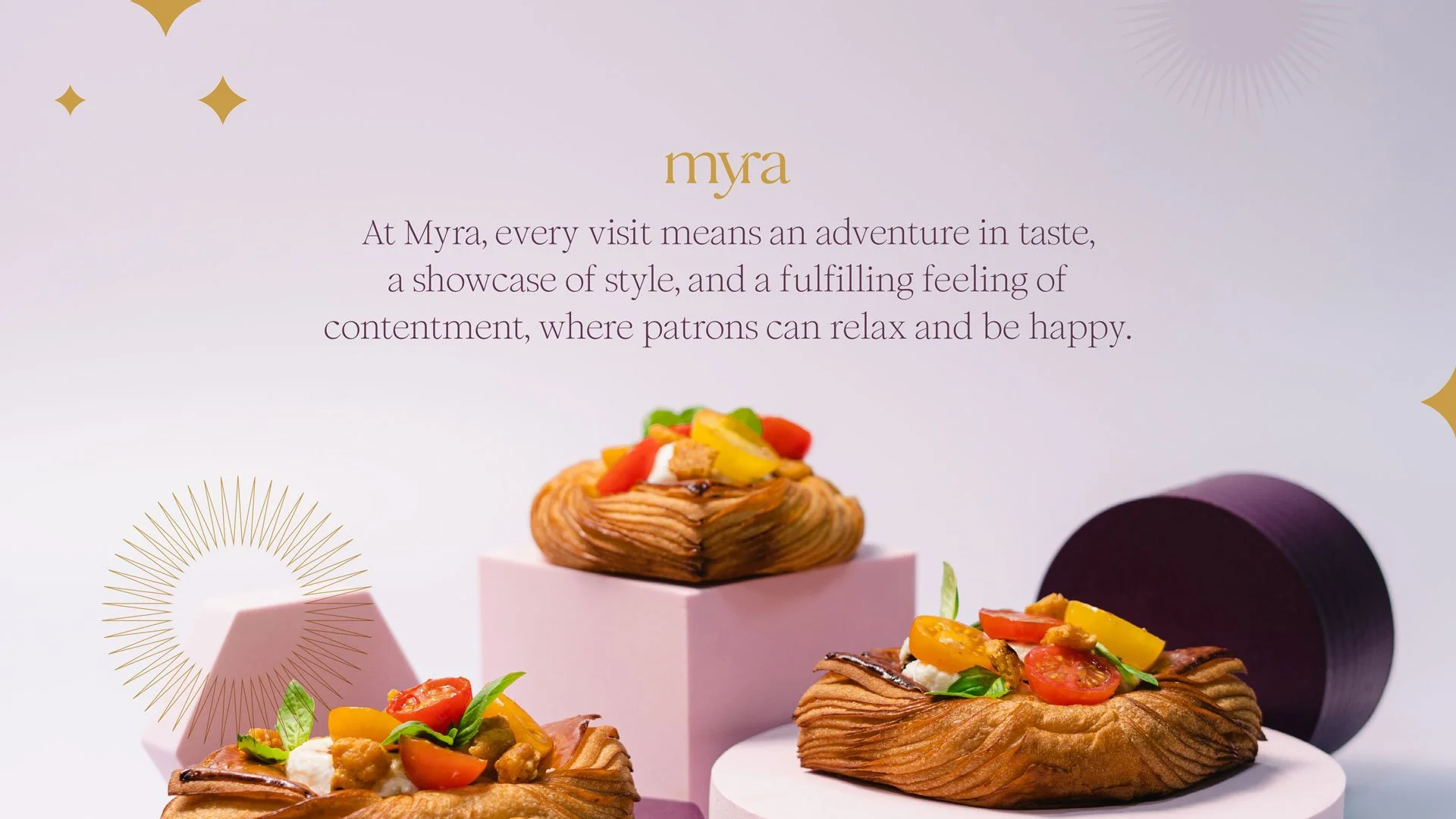
Myra, Saudi Arabia. Brand creation for a luxury patisserie, now across several locations in the Kingdom.
What you'll have at the end
A defined position and value proposition
A clear picture of your audience and why they choose you
Brand personality and tone of voice
A messaging framework you can hand to a team
Market, competitor and category insight where it's part of the scope
Recommended next steps and priorities
A presented document, and a conversation to work through it
(Around three to six weeks, depending on depth).
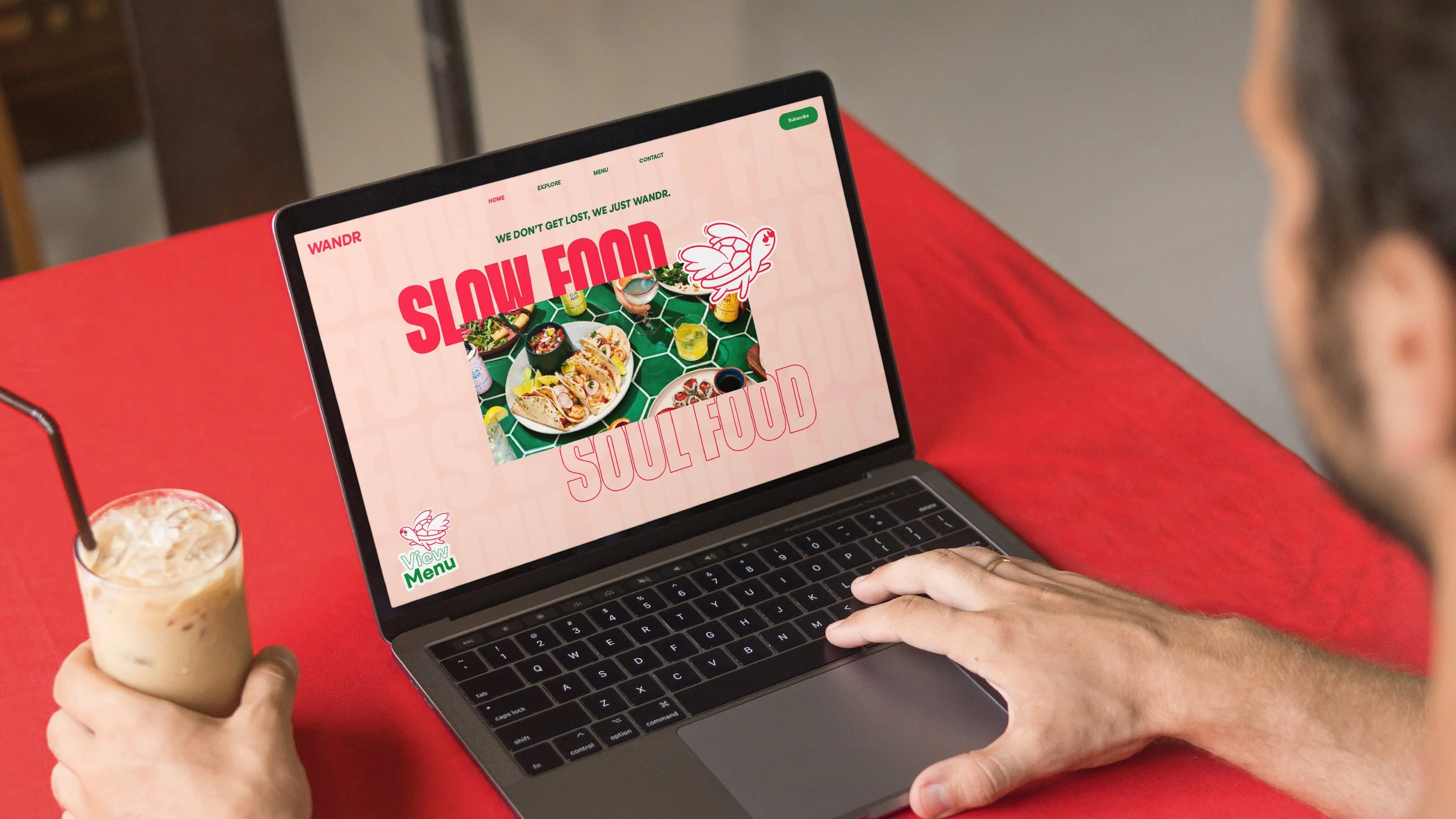
Wandr, Dubai. Brand strategy, naming and visual identity for a quick service restaurant.
When you need this, and when you don't
You need it if you're opening something new, if growth has stalled and you're not sure why, if you're preparing to raise money or franchise, if you're competing on price because you can't articulate anything else, or if two people in your business would answer "what are we?" differently.
You probably don't need it if the business is clear, performing, and what's actually bothering you is that it looks dated. That's an identity job, and I'll tell you so rather than sell you a strategy you don't need.
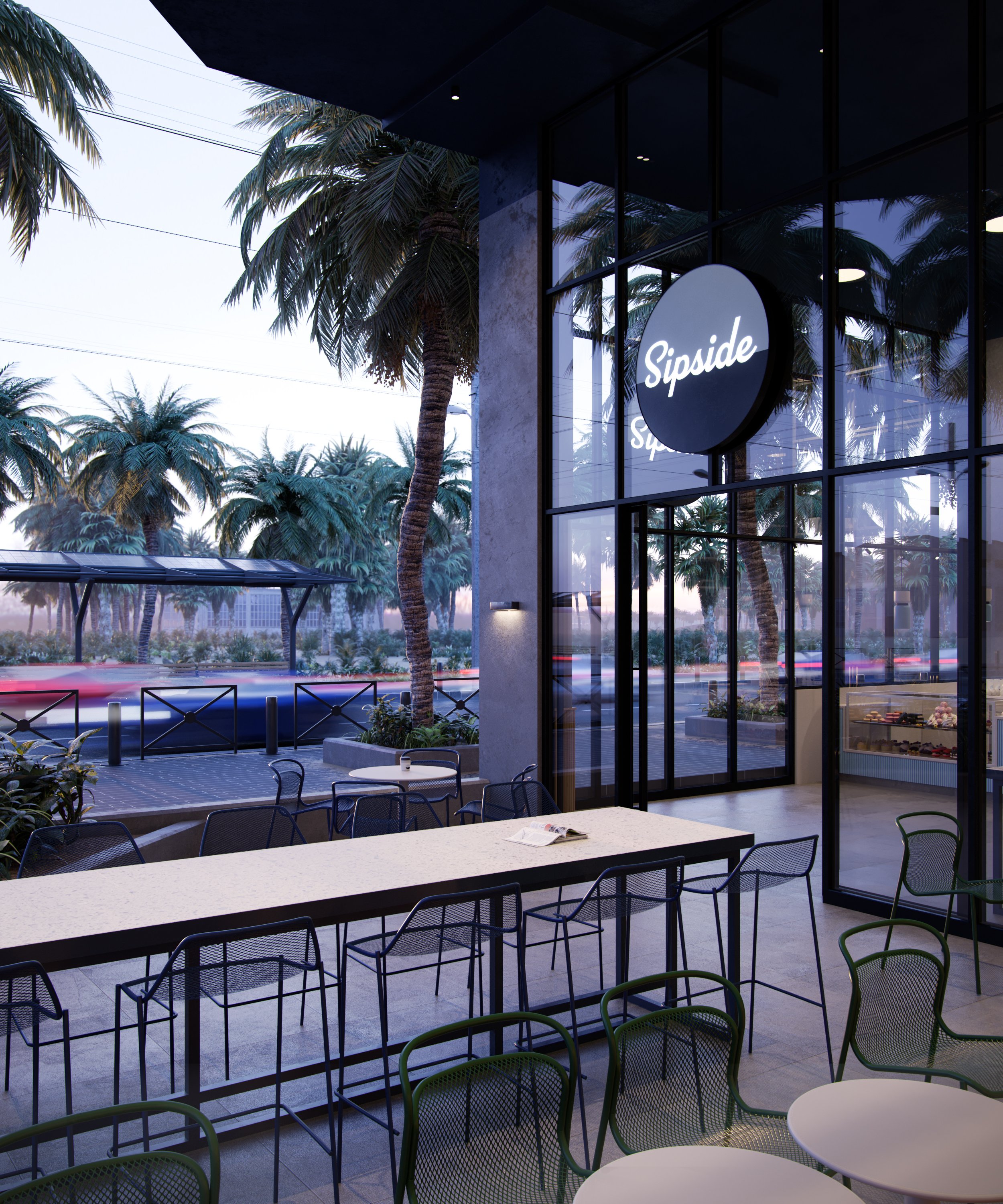
Sipside, Jeddah. Brand creation for a coffee shop positioned as a social destination.
Where it usually leads
Strategy is a complete piece of work and plenty of founders stop here, take the document and run with it.
More often it becomes the first stage of something bigger. Positioning leads into a name, a name into an identity, an identity into packaging, a website and a launch. When it's all shaped by the same person, the brand holds together because it never had the chance to come apart.
FAQs
I am always happy to talk through the brand strategy process on an introductory call. In the meantime, here are answers to the questions I am asked most often.
-
Properly involved, at the start. Usually a workshop and a handful of conversations. You know things about the business that no amount of research will surface, and a strategy built without you is a strategy about a business I've imagined.
-
Nothing. I run the process through structured questions, starting on the first call, because instinctive answers tend to be more honest than prepared ones. If you have existing brand material or research, send it, but it isn't needed to start.
-
It depends on depth. Positioning for a single site and full strategy for a business preparing to franchise across three markets are different pieces of work with different price tags. You'll get a written proposal with a fixed price and scope before anything begins.
-
Often, and they tend to get the most from it. Doing this early means the expensive decisions get made with insight rather than instinct, and it changes the conversations founders can have with landlords, partners and investors.
-
Yes. I've done a significant amount of work in Saudi Arabia and the UAE, and I've worked across Europe, Africa and the US. Remote projects are normal here, with visits where they're worth making.
-
You get a document built to be used, whether or not we keep working together. Most founders stay in touch and the work continues in whatever shape the business needs. I've worked with Fresko for four years, KAB Holding for six and Town Hall Hotel for five.
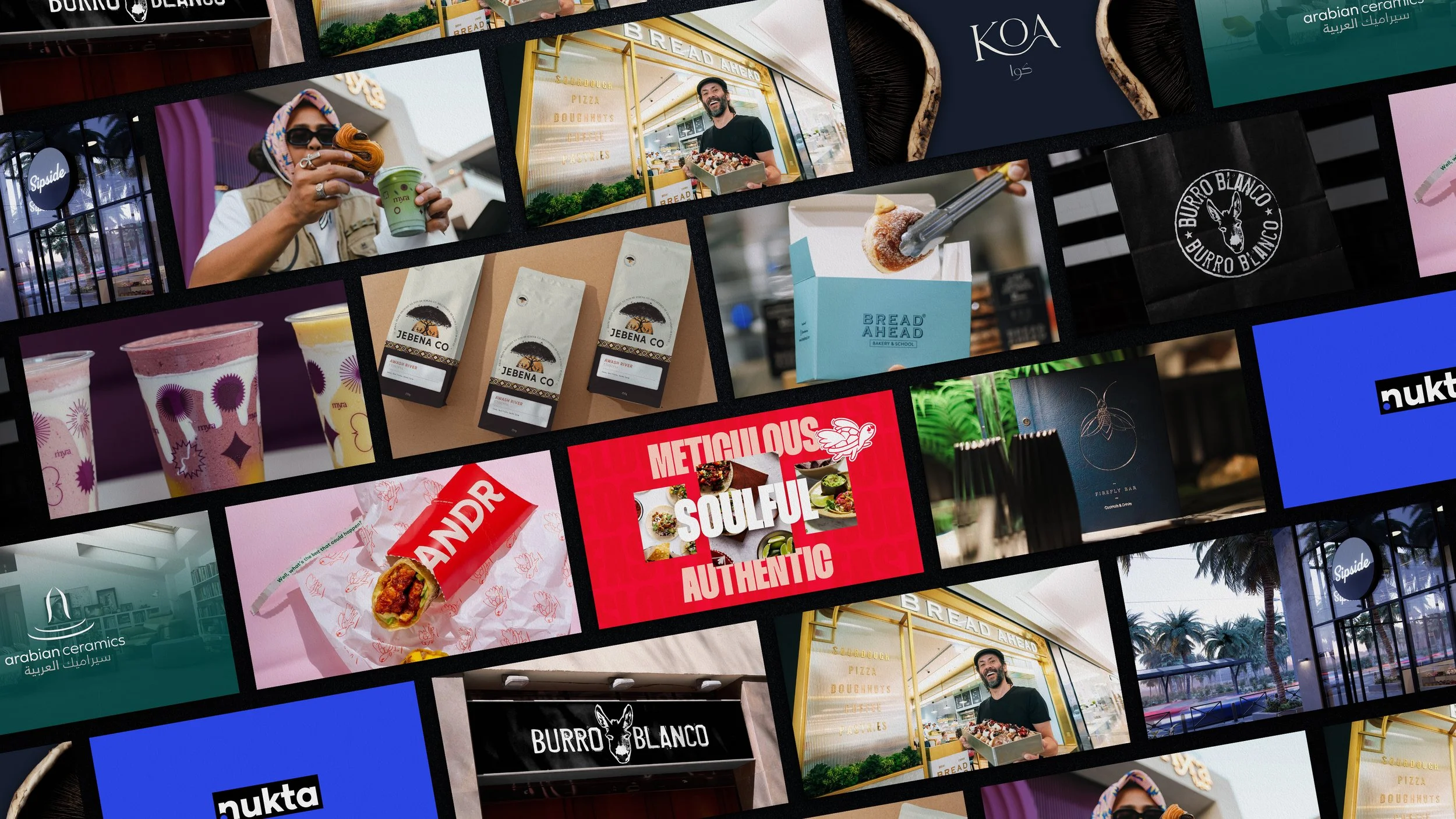
Let's work out what you've got
If the business is working but you can't explain why, or you're about to spend money on a brand without being sure what it should say, that's the conversation to have first. Tell me where you are and I'll come back to you within a working day.