
Visual Identity Design for Hospitality and Lifestyle Brands
An identity is not a logo. It's everything people recognise you by.
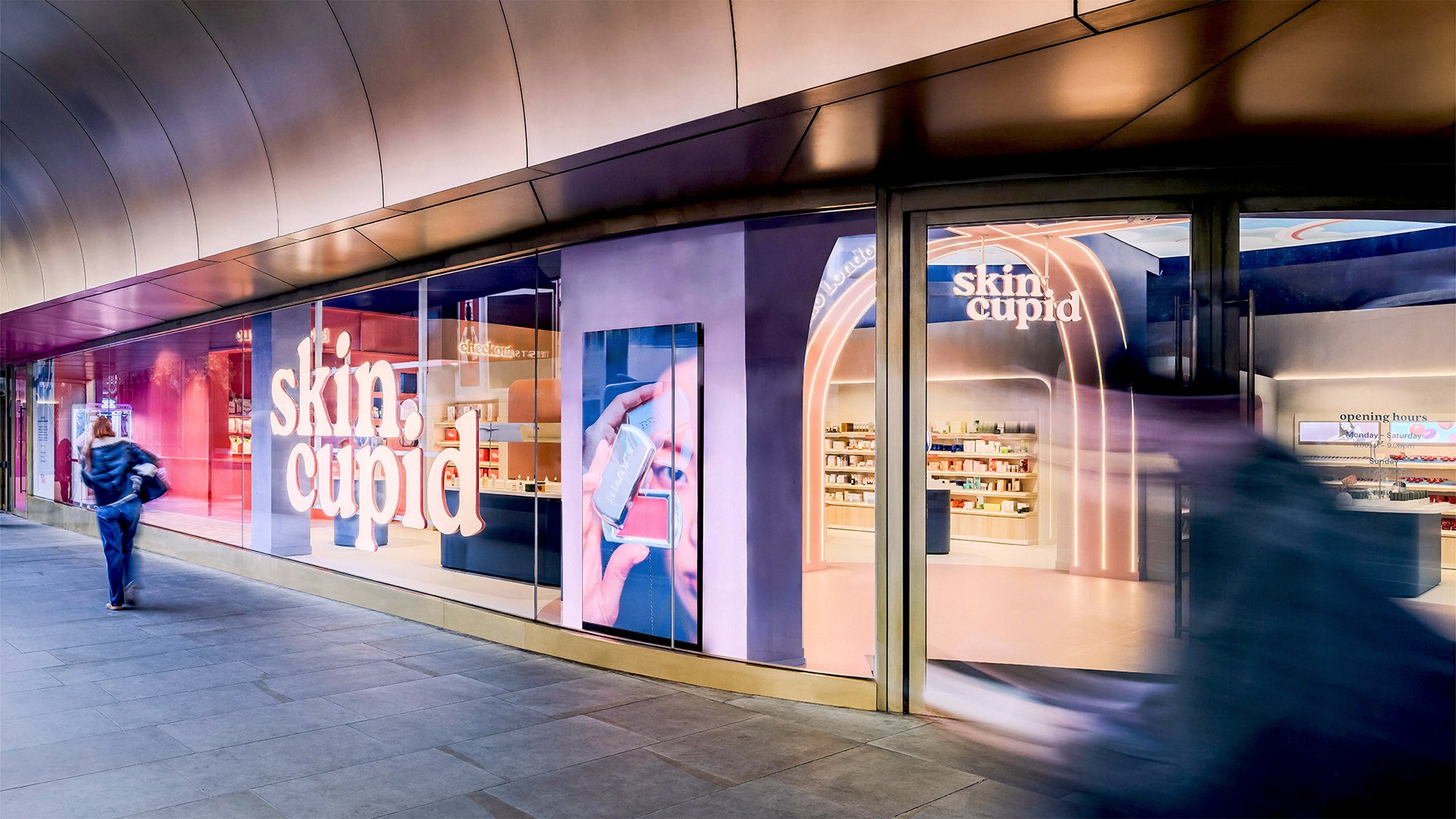
A logo is one asset. What makes a brand recognisable is everything around it. Colour, type, pattern, photography, packaging, the way a menu is set, the way a shopfront reads from across the street.
Get that right and people know it's you before they've read a word.
I design identities for hospitality, food and drink, retail and lifestyle brands, and I design them for the real world rather than for a presentation.
What it looks like in practice
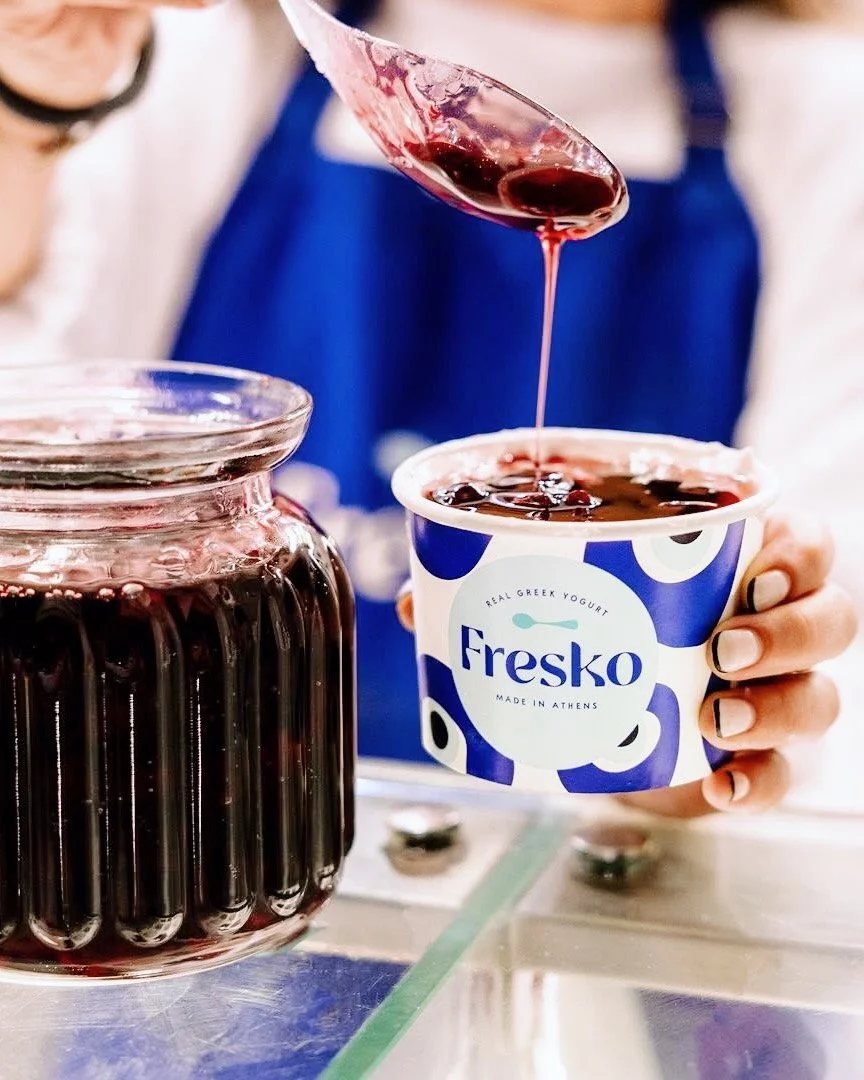
Fresko needed an identity that could hold up in Athens and London at the same time, in a category full of Greek clichés. The visual language we built travels between both markets, and its patterns are now recognisable in each city on their own.
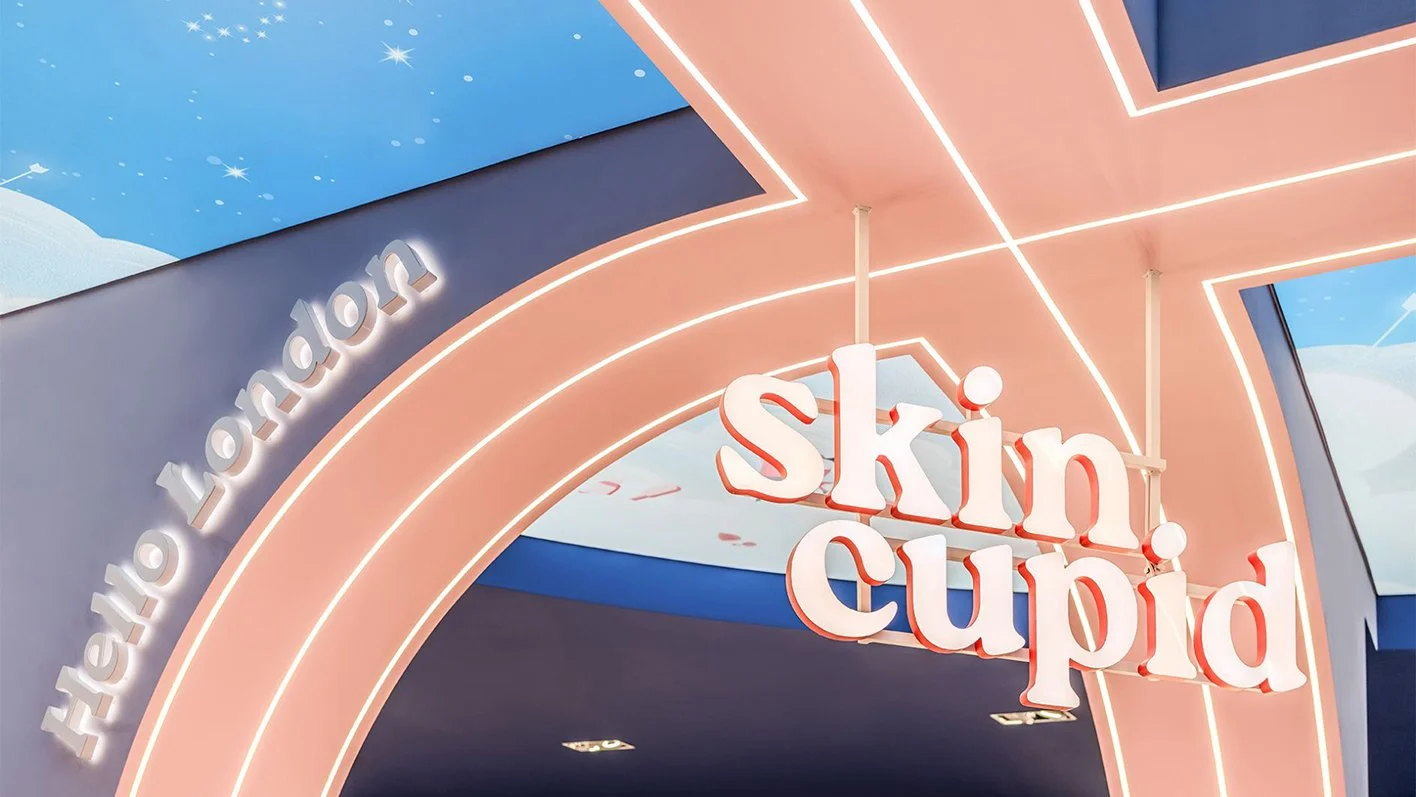
Skin Cupid started online. In 2025 it opened a 2,000 square foot flagship on Tottenham Court Road, which is a very different test for an identity than a product page. A logo doesn't scale into a space. A system does.

KOA is fine dining in Saudi Arabia, where the identity had to feel restrained and confident enough to sit alongside the room, the service and the food without competing with any of them. Restraint is harder than decoration.
What’s involved
Knowing what it's meant to do
Every identity project starts with a discovery session and a short written positioning statement.
Not a full strategy engagement. Just enough clarity to make good decisions and to give the design something to be accountable to. Without it, the only thing either of us can judge the work against is taste, and that's a difficult conversation to have four weeks in.
Creative direction
Before any design, we agree a direction.
A moodboard and creative direction covering typography, colour, imagery and the wider visual references, so we're aligned on where this is going before time goes into it. This is where most of the disagreement should happen, and it's much cheaper here than three weeks later.
Designing the identity
Then the work itself.
Two initial concepts, presented properly with the reasoning behind them. We choose a direction together, develop it, and refine it through two rounds of revisions. I'll bring a clear recommendation and explain why, but this is your brand and you should end up somewhere you're genuinely excited about.
Building the system
A logo alone won't carry a brand.
Colour palette, typography, and the wider visual language the brand needs. Pattern, illustration, photography direction, packaging, environmental graphics or layout templates. You'll finish with final artwork in every format you'll need, and guidelines your team can work from when I'm not in the room.
Testimonial
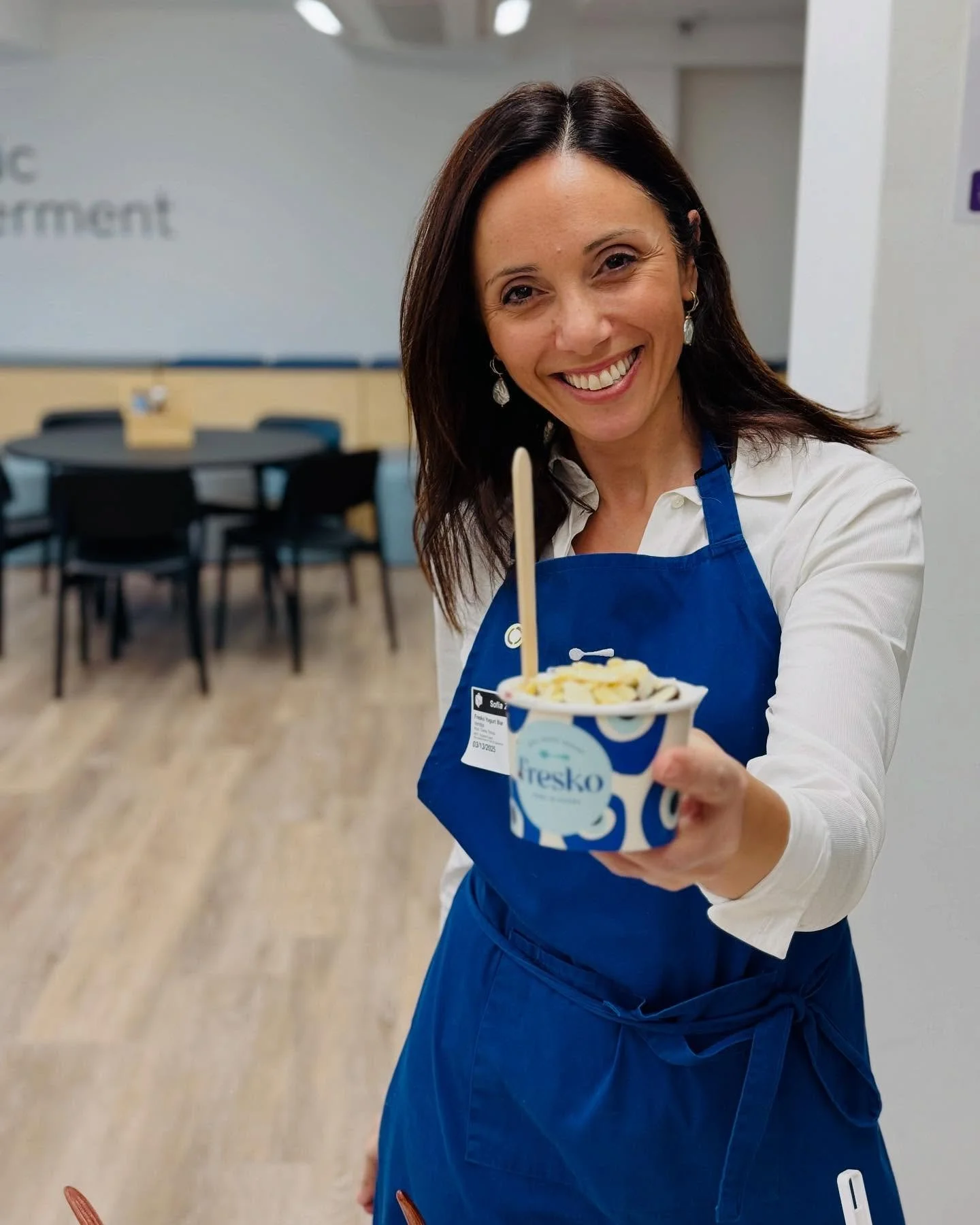
"He created a visual identity that feels vibrant and true to our roots without clichés. Our patterns are now instantly recognisable across Athens and London, and his support gives me real confidence as we grow."
Sofia Zournatzidi, Founder, Fresko
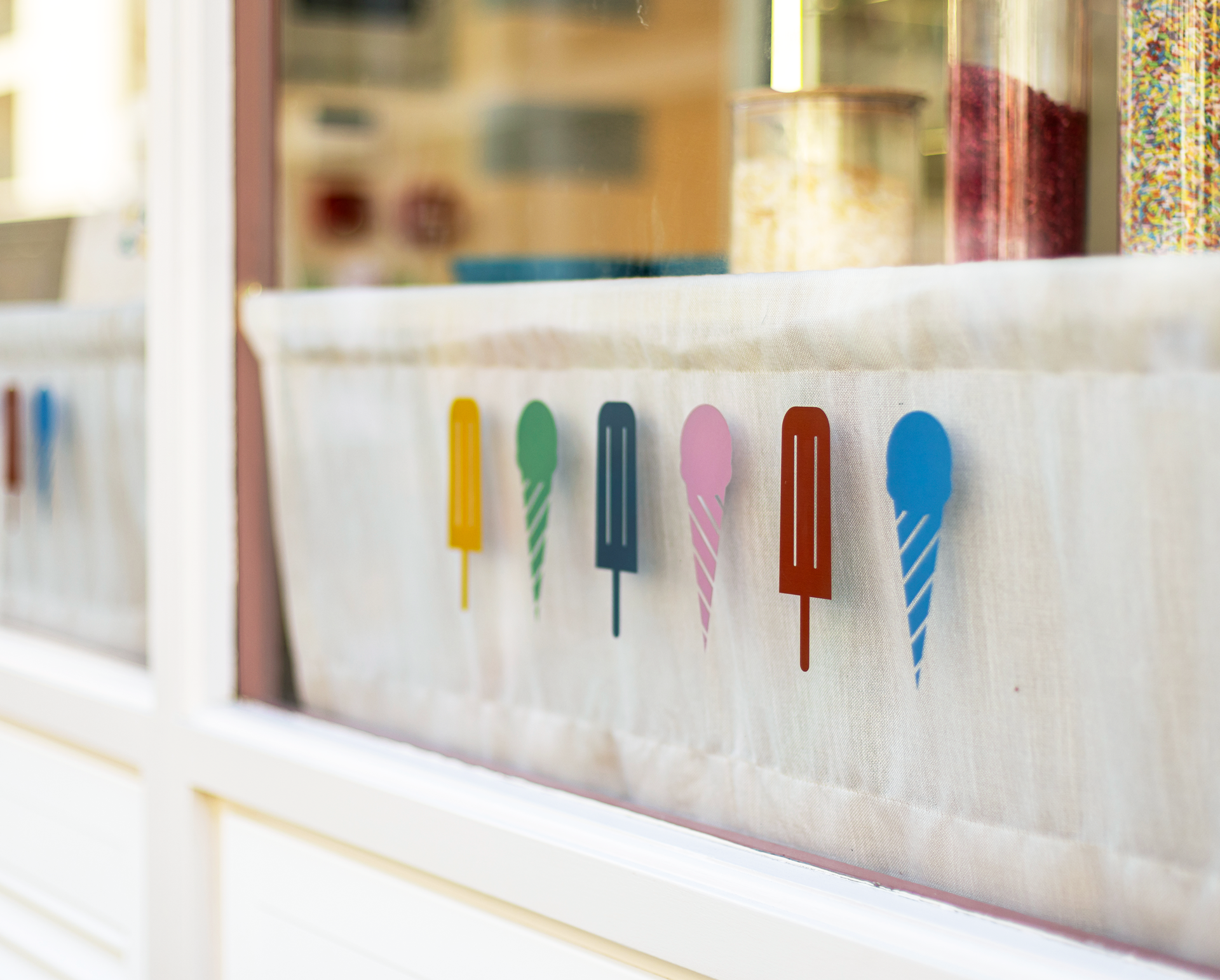
Sticks & Cones, Marylebone. Brand creation for a new ice cream shop, from the ground up.
What you'll have at the end
A short written positioning statement
Agreed creative direction
A finished logo and its variations
Colour palette and typography system
The wider visual language your brand needs
Brand guidelines
Final artwork files in every working format

The Patchwork, London. Brand strategy and visual identity for a boutique East London hotel.
When you need this, and when you don't
You need it if the business is clear and performing but looks dated, generic or smaller than it is. If you're opening a second site and the first one's brand won't stretch. If the identity was designed by someone who didn't ask what the business was for.
You probably don't need it yet if you can't explain in one sentence why a customer should choose you. Design will make that look better without resolving it, and it tends to resurface within a couple of years.
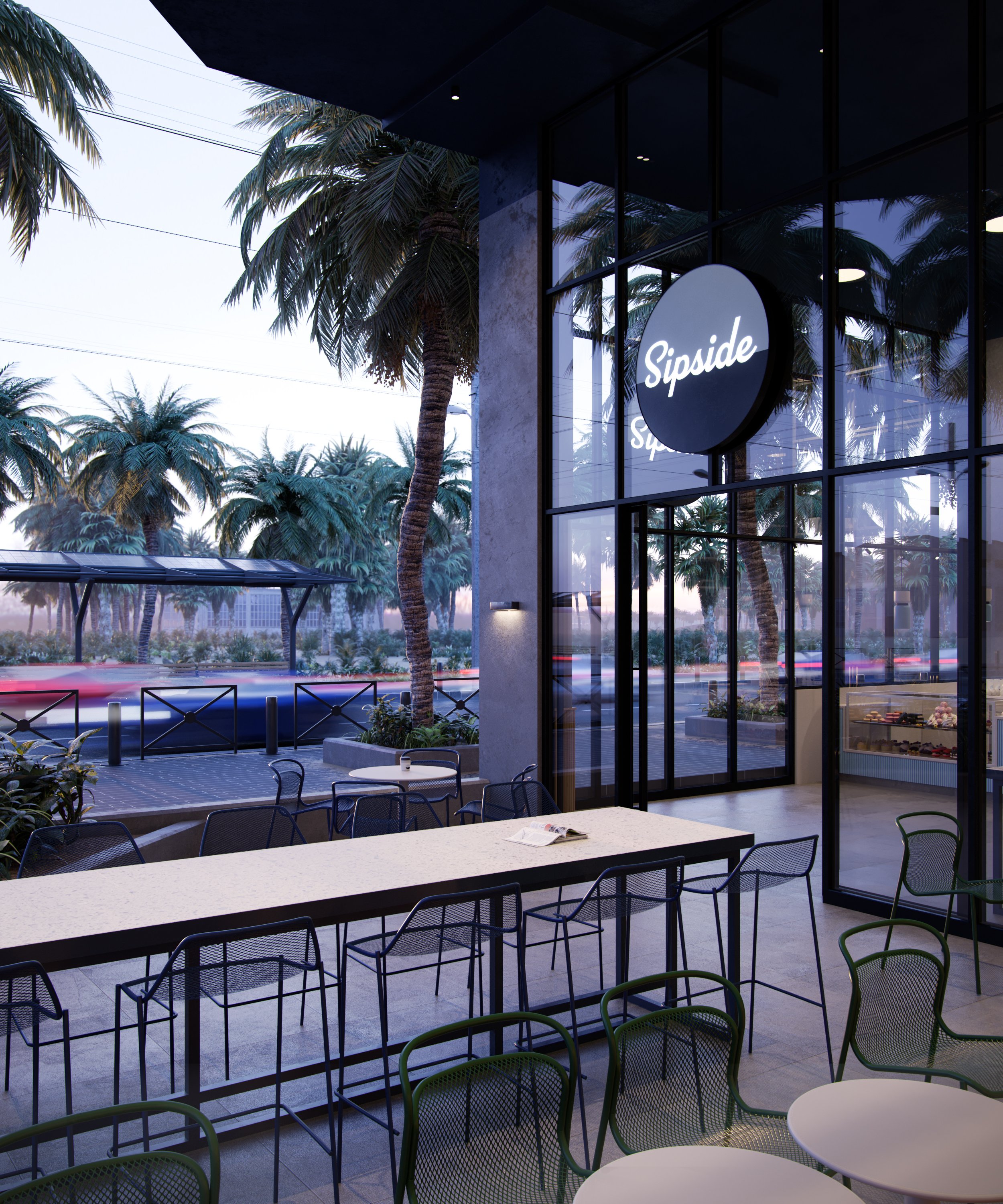
Sipside, Jeddah. Brand creation for a coffee shop positioned as a social destination.
Where it usually leads
Plenty of identity projects finish here, with the artwork delivered and a team confident enough to run with it.
Others turn out to be the first part of something larger. Once the identity exists, the packaging, the website, the launch and the content all need to speak the same language, and it's easier when the same person shapes them.
FAQs
I am always happy to talk through the visual identity process on an introductory call. In the meantime, here are answers to the questions I am asked most often.
-
Two to Three, developed properly, with the thinking behind each. I'd rather bring you a few directions I can stand behind than eight for you to sift through. Choosing between options is the part you're bringing me in for.
-
It happens rarely, because the creative direction stage is designed to prevent it. If it does, we go back to the direction rather than pushing more logos at the problem.
-
Yes. Final artwork in ai, eps, pdf, svg, png and jpeg, so you own the brand outright and any printer, signmaker or developer can work with it.
-
Yes, sized to the business. A single site needs a clear one-page reference. A group with multiple locations and a franchise plan needs something considerably more thorough.
-
Yes, and it's usually the point. Identity work that stops at a logo file leaves the founder to interpret it alone, which is where consistency tends to fall apart.
-
It depends on scope, how much visual language the brand needs beyond the logo, and whether guidelines are involved. You'll get a written proposal with a fixed price before anything begins.
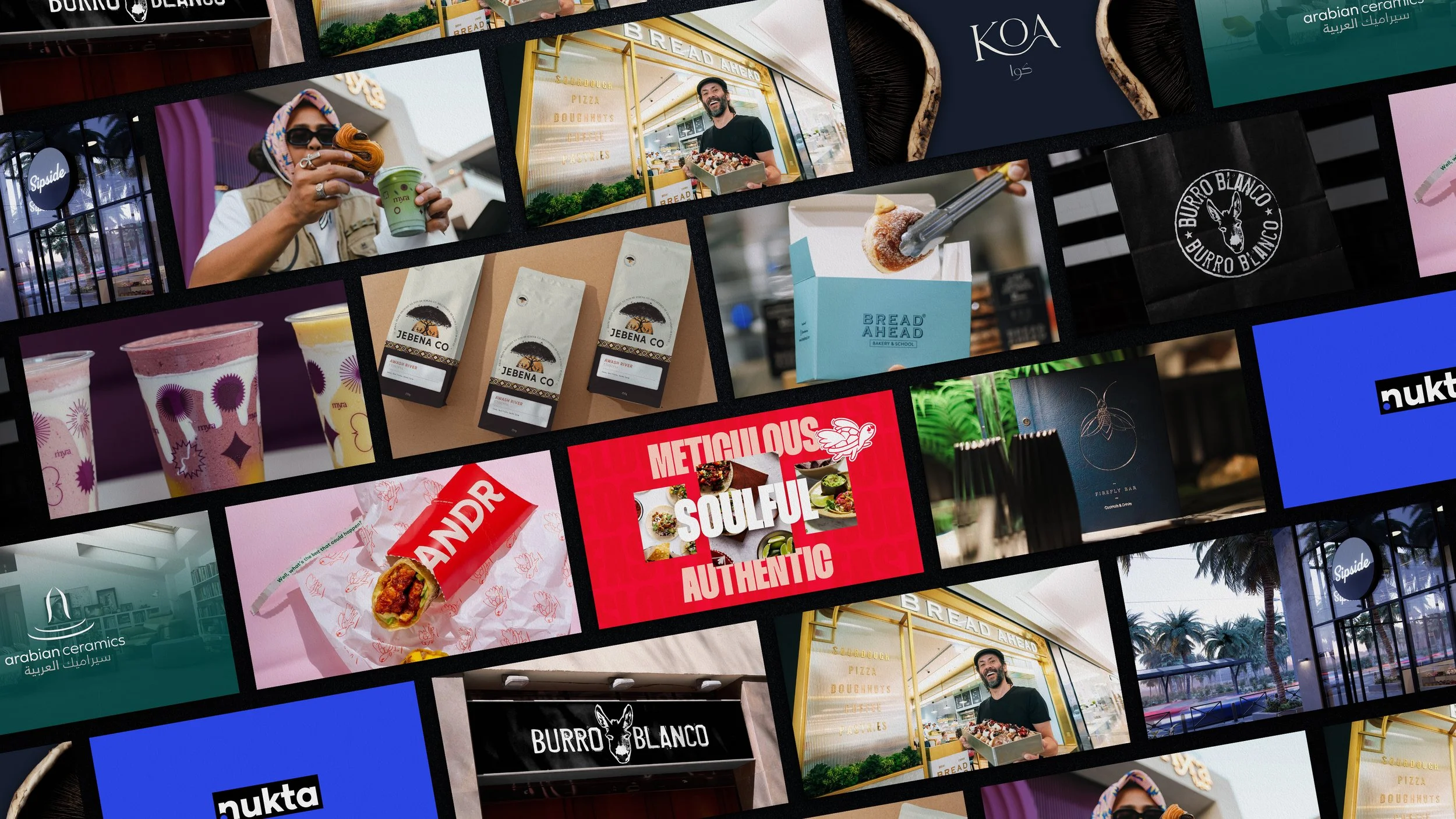
Let's make it look like what it is
If the business has outgrown how it looks, or you're building something new and want the identity to be right first time, tell me about it and I'll come back to you within a working day.