
Websites for Hospitality, Food and Lifestyle Brands
A website is usually the first experience someone has of your brand. It should feel like the real thing.

Most hospitality websites are built to display information. The good ones are built around a decision.
Someone is choosing where to eat on Friday, whether to book a room, whether to trust you with their wedding. The site's job is to make that decision easy, and to make the place feel online like it feels when you walk through the door.
I design and build websites for hospitality, food and drink and lifestyle brands. We start with the brand and the customer journey rather than with a list of pages, which is usually the difference between a site that looks nice and one that books tables.
What that looks like
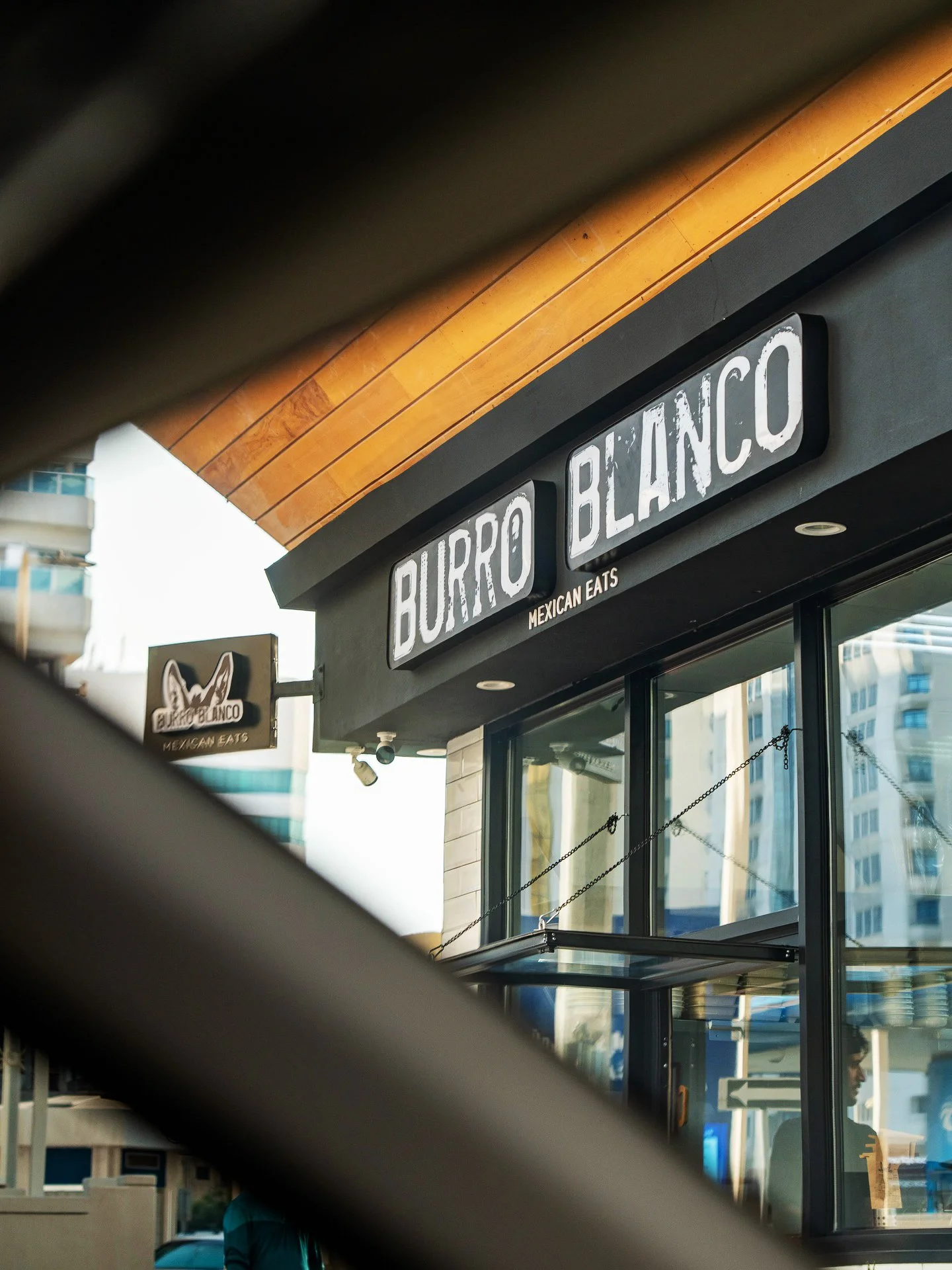
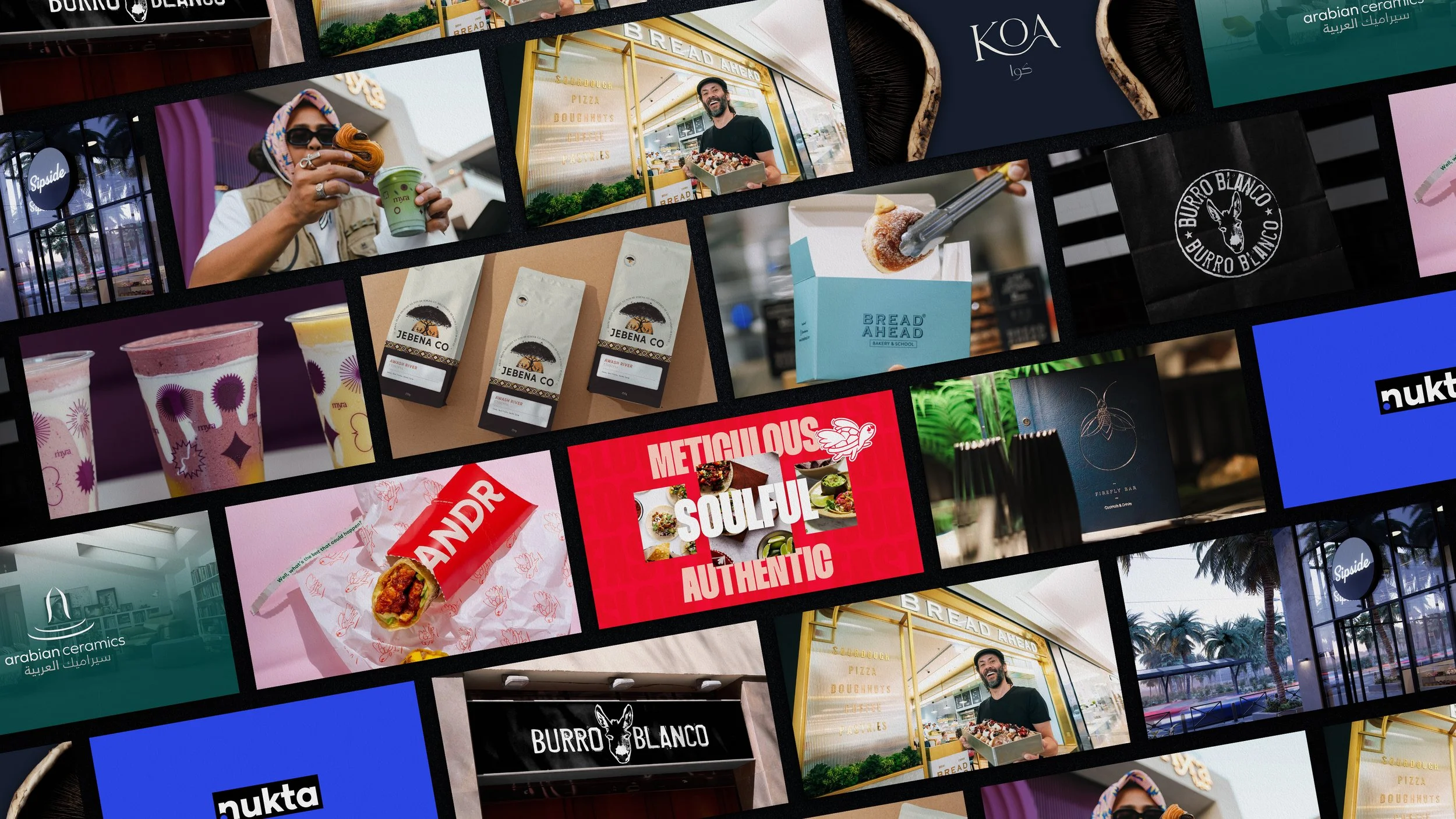
Burro Blanco needed a digital experience that could hold up across the GCC as the business moved into franchising, so the site had to work as hard for a prospective franchise partner as for someone ordering lunch.
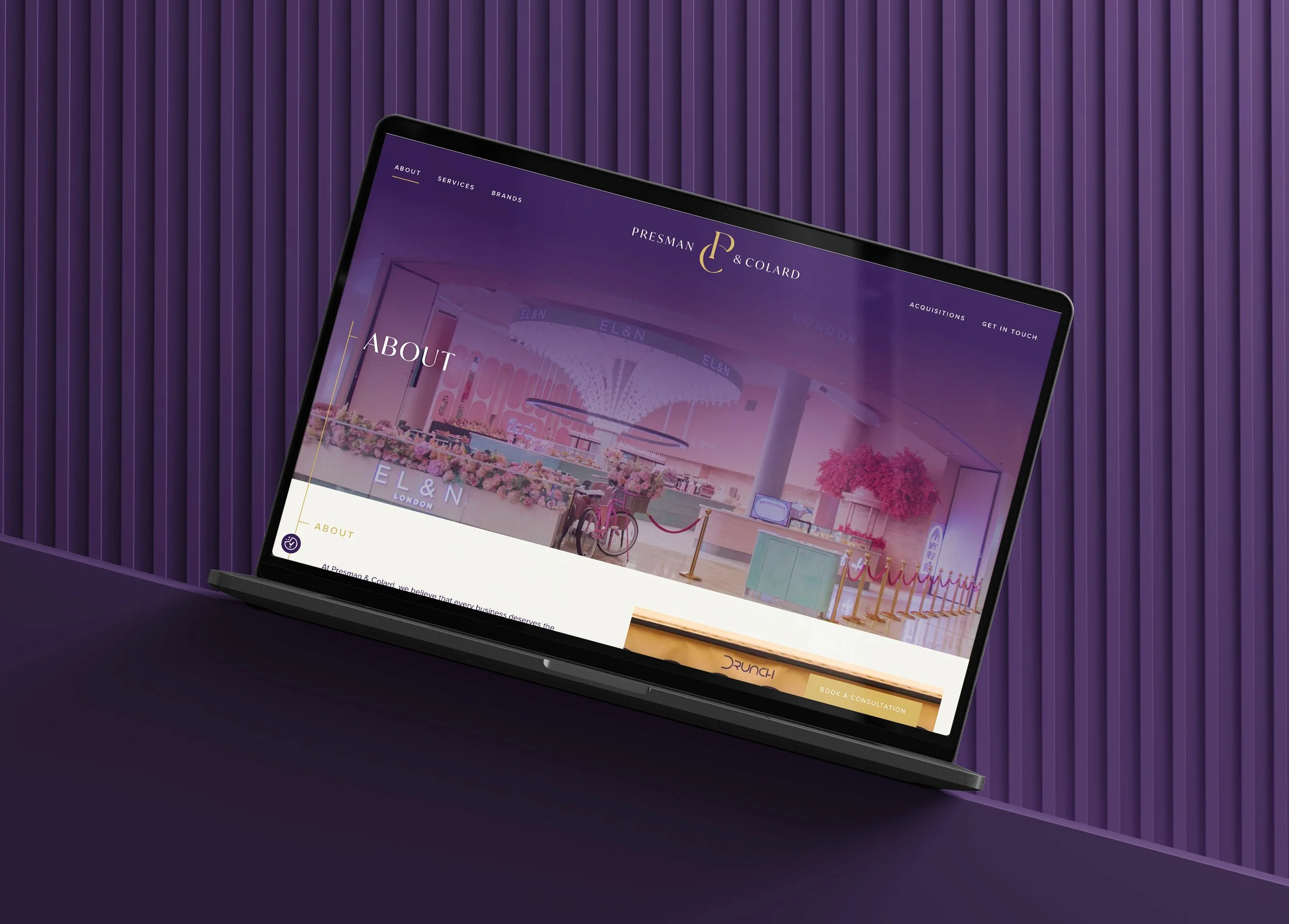
Presman & Colard advise hospitality and F&B operators on franchising internationally. The site had to convince serious operators of their credibility within seconds, so it was built around clarity and restraint rather than volume of content.
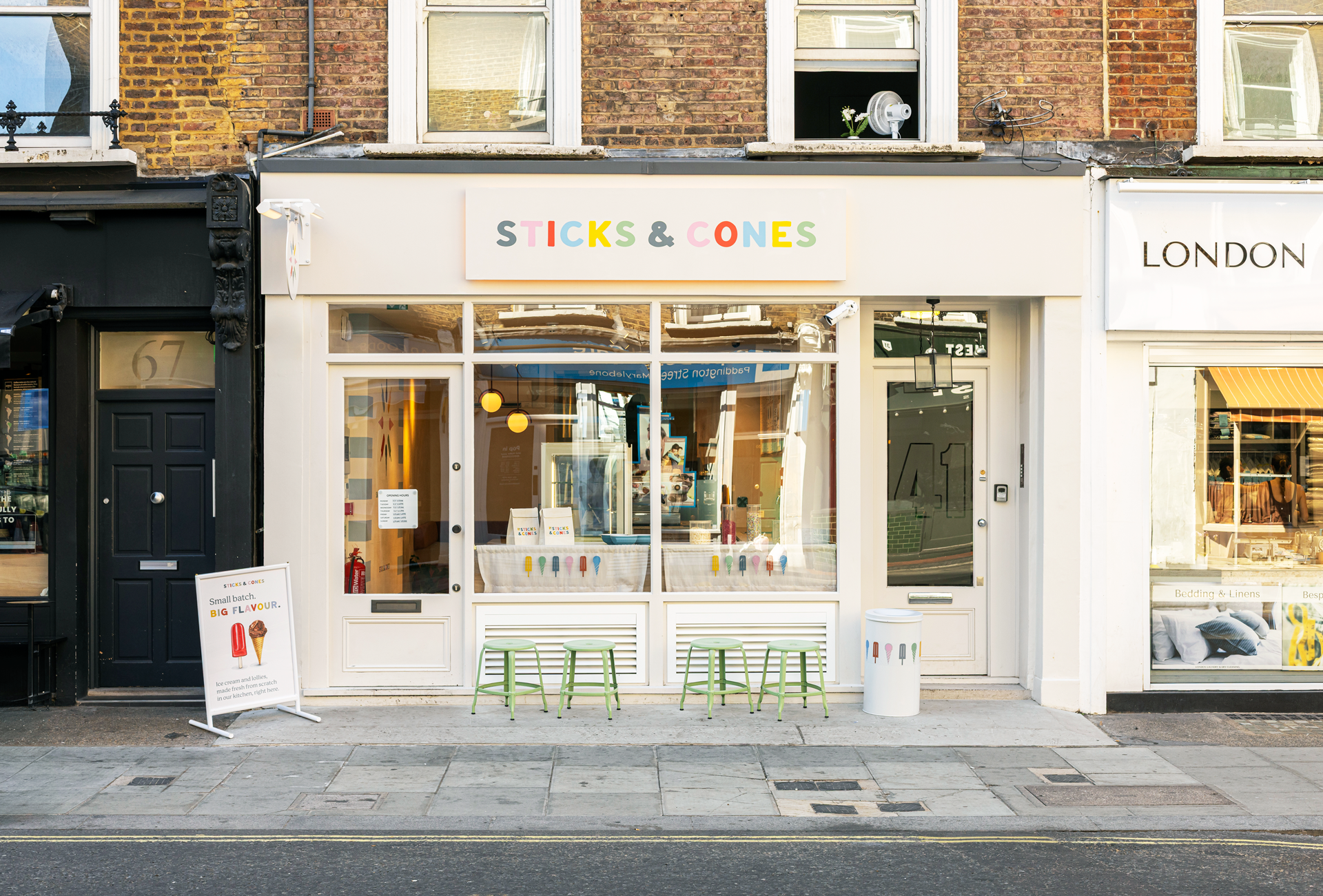
Sticks & Cones launched with the site live before the doors opened, so the first people through the door already knew what the place was. Built alongside the brand rather than bolted on afterwards.
What’s involved
Understanding the journeys
Before any design, we work out who is actually using the site and what each of them is trying to do.
A guest booking a table, a couple researching a wedding, an events organiser comparing venues, a franchise enquiry, someone checking whether you do lunch. Those are different journeys with different needs, and most hospitality sites treat them as one.
Design and prototype
You'll see the site working before it's built.
I design across desktop and mobile as a proper interactive prototype, so you can click through it and understand how the brand translates into a digital environment. Mobile is designed as its own experience rather than shrunk from desktop, because for hospitality that's where most of your traffic is.
Build
Sites are built on a content management system your team can actually use, so you can add an event or change a menu without waiting for a developer.
Booking engines, ordering platforms, enquiry forms and analytics are integrated as needed, along with the technical search foundations: clean structure, metadata, schema and fast performance. Increasingly that also means being findable in AI search.
Launch and handover
Testing across devices and browsers, training so your team can run it confidently, and support through the transition.
You own everything. The site, the hosting environment, the domain, the accounts. No arrangement where you have to come back to me to get at your own website. Around eight to fourteen weeks depending on scale.
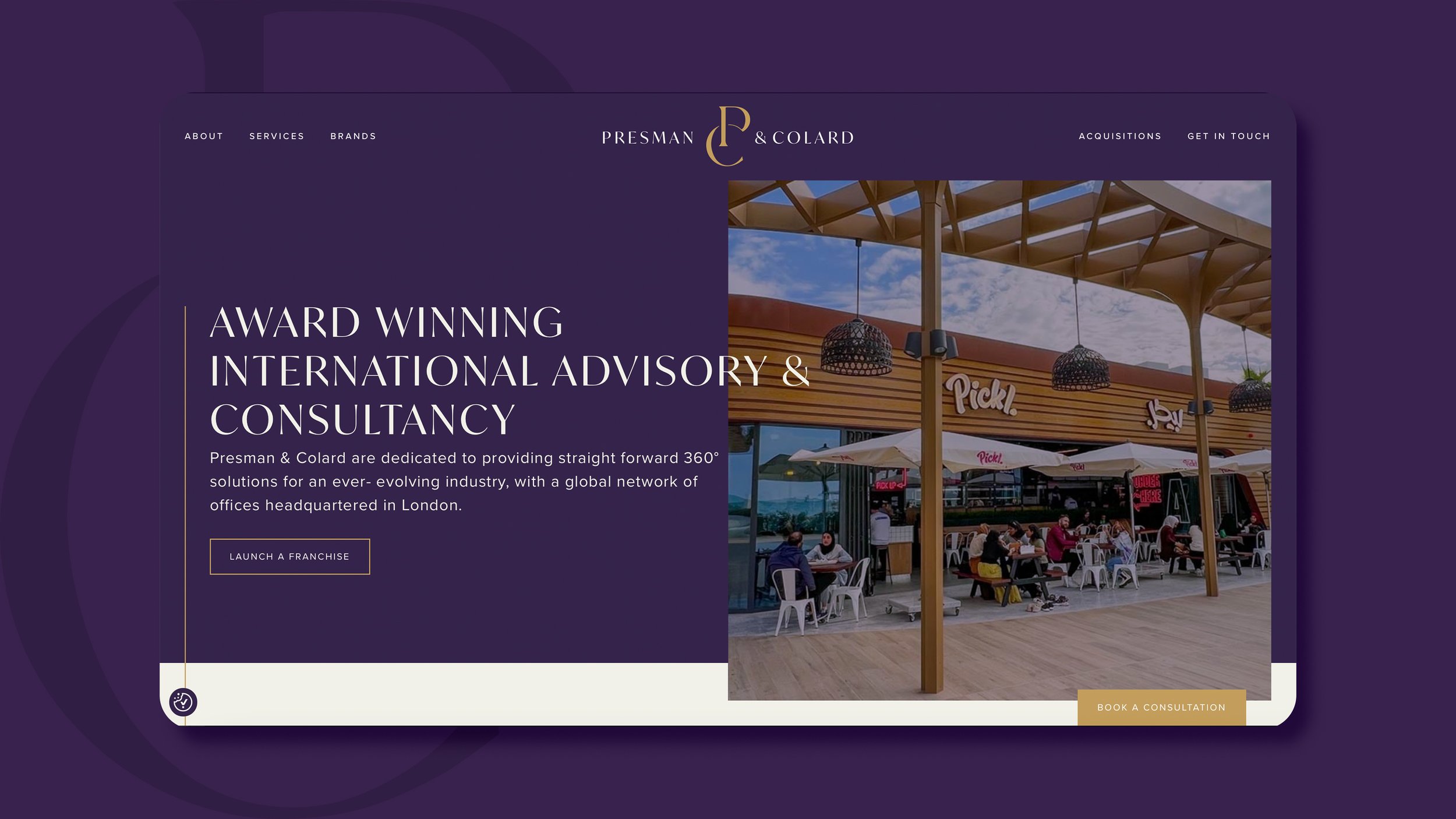
Testimonial
"Marc understood what the site actually had to do commercially. It gives us credibility with serious operators from the first click, and it's straightforward for us to keep current without going back to a developer every time."
Charlie Mander, Founder, Presman & Colard

Myra, Saudi Arabia. Brand creation for a luxury patisserie, from the name up.
Design, or design and build
Not every project needs the same thing, and it's worth knowing which you're buying.
Design only. Some businesses already have a development team, or a technical partner they want to keep. In that case I do the strategy, the journeys, the structure and the design, delivered as a fully interactive prototype across desktop and mobile, along with everything the developers need to build it accurately. I stay involved through development to make sure what gets built matches what was designed.
Design and build. More often I take the project end to end, from the first conversation through to launch. Same process at the front, then built on a content management system your team can run, tested, launched and handed over properly.
The thinking is identical either way. What changes is who writes the code.
If you already have developers, say so early and we'll scope around them. If you don't, you won't need to find any.
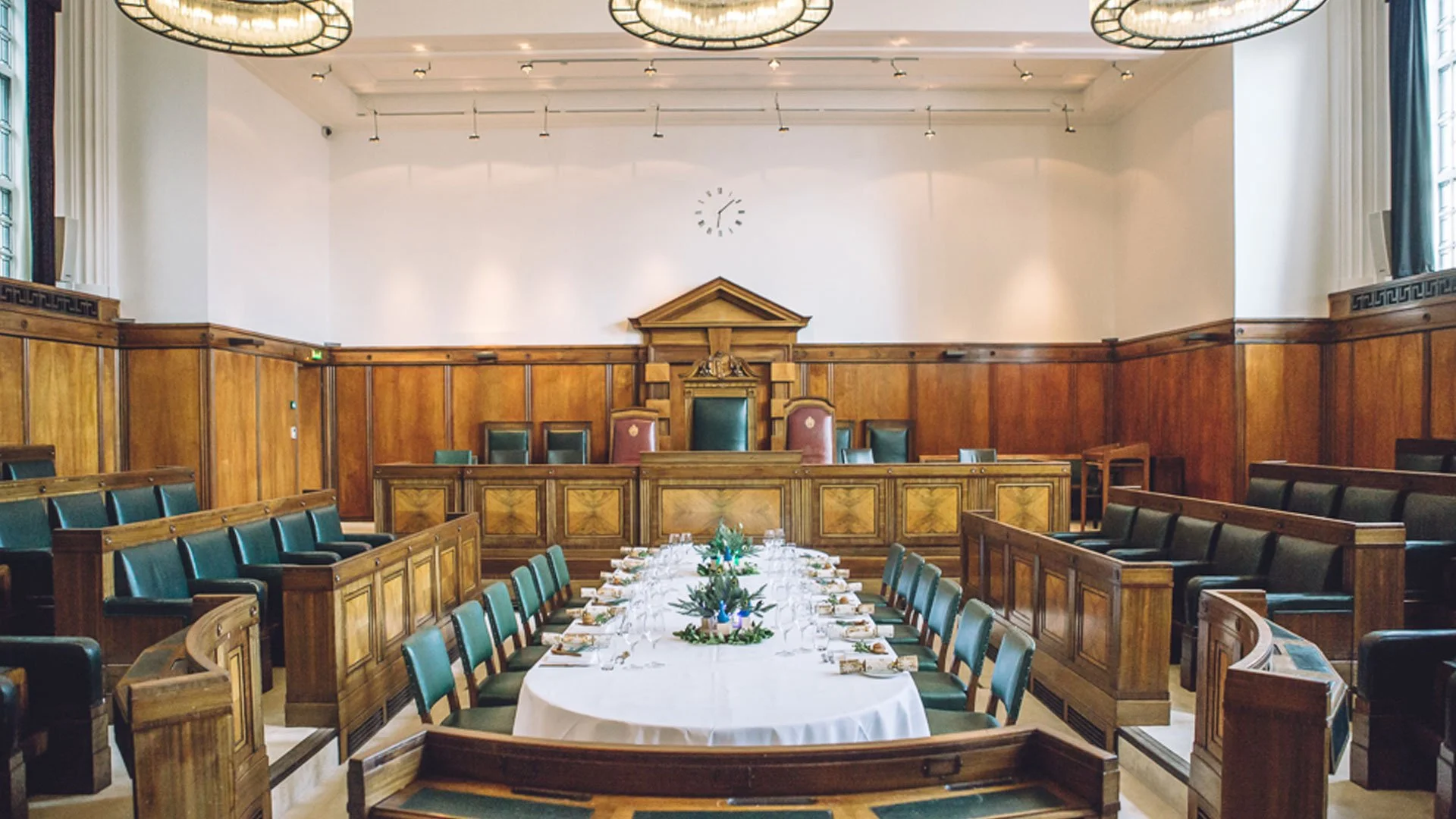
Town Hall Hotel, London. Brand positioning, visual identity and website for a luxury East London landmark.
What it costs
Website projects start at £5,000 + VAT and are quoted against scope rather than page count. A single-site restaurant and a hotel chain with locations, rooms, restaurants, weddings and events are very different pieces of work.
You'll get a written proposal with a fixed price, a clear scope and a timeline before anything begins. Website copy and brand messaging are quoted separately where you'd like me to write them.
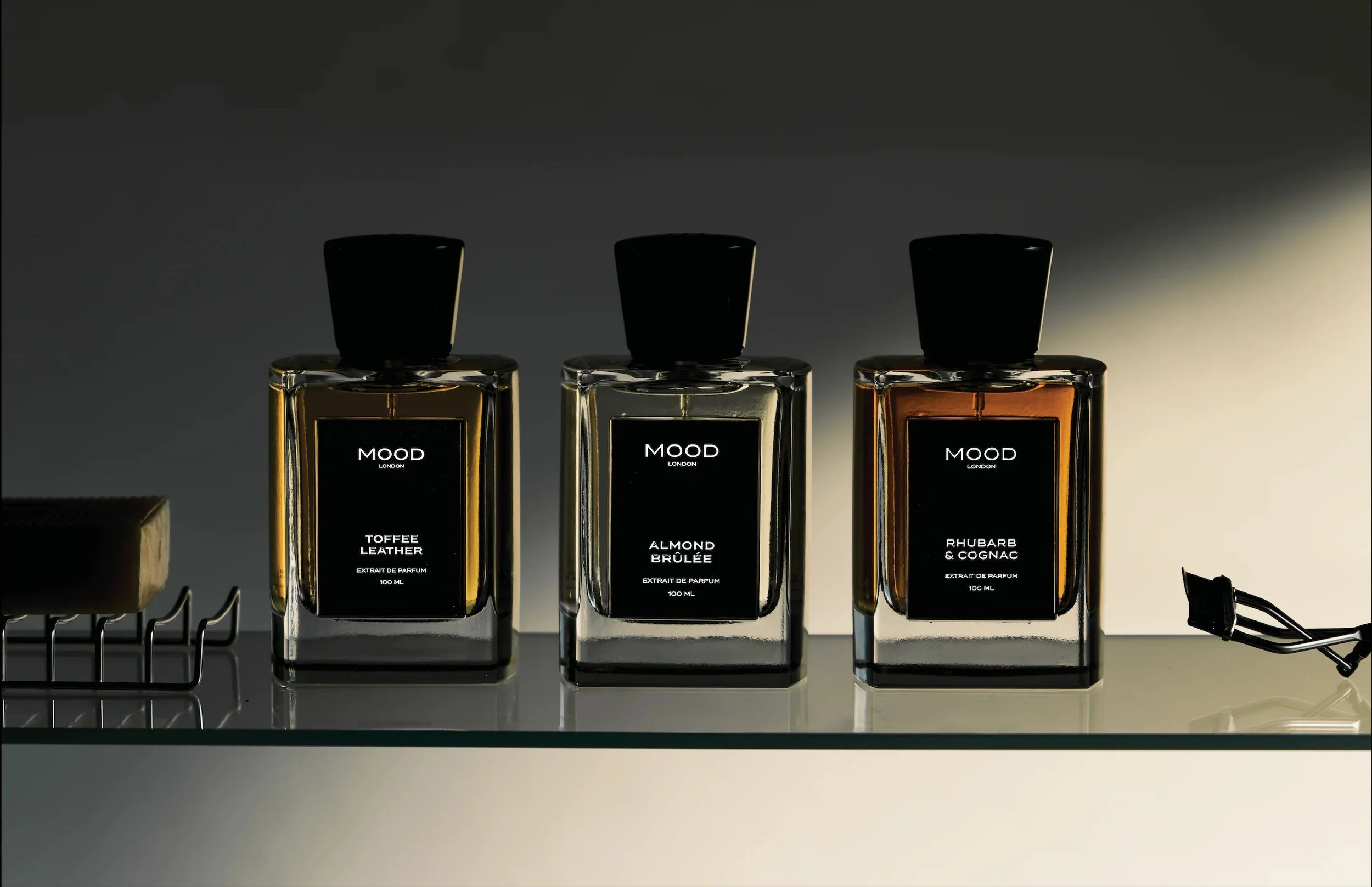
Mood London, London. UX and interface design for a modern fragrance brand, built by their development team.
One thing worth saying
If your brand isn't clear, a new website will not fix it.
It will present the same uncertainty more attractively, and the site tends to underperform for reasons nobody can quite put their finger on. If that's the situation, it's worth starting with positioning instead, and I'll say so at the outset rather than halfway through.
FAQs
I am always happy to talk through the website design process on an introductory call. In the meantime, here are answers to the questions I am asked most often.
-
Usually WordPress, because it gives you genuine independence and room to grow. Shopify or WooCommerce where there's ecommerce, and other platforms where they suit the job better. I'll recommend based on what the business needs rather than what I'd prefer to build.
-
Yes. Reservation and booking engines, ordering platforms, digital menus, review feeds and event enquiry systems are all standard. If you're on a specific hotel booking platform, that gets reviewed early so we know exactly what's possible.
-
I can, and for most hospitality brands it's worth doing properly, but it's a separate piece of work rather than something bundled in. Website copy and brand messaging are quoted either as their own project or as a line within a website proposal, depending on what you need. Plenty of clients write their own and that works fine too.
Either way, supplying the text and images for the site is the client's responsibility. Having that ready is usually what decides whether a project lands on time.
-
Most projects run between eight and fourteen weeks depending on scale. If you have a fixed opening date or a seasonal deadline, tell me at the start and we'll plan backwards from it.
-
Training and documentation are included so your team can run the site themselves. Ongoing care is available if you'd rather not think about updates, backups and monitoring.
-
Yes, and often that's the job. Not every website project needs a rebrand. If the brand is strong and the site is letting it down, that's a straightforward piece of work.
Tell me about the site you need
Whether you're opening, replatforming or working around a site that's holding the business back, tell me where you are and I'll come back to you within a working day.